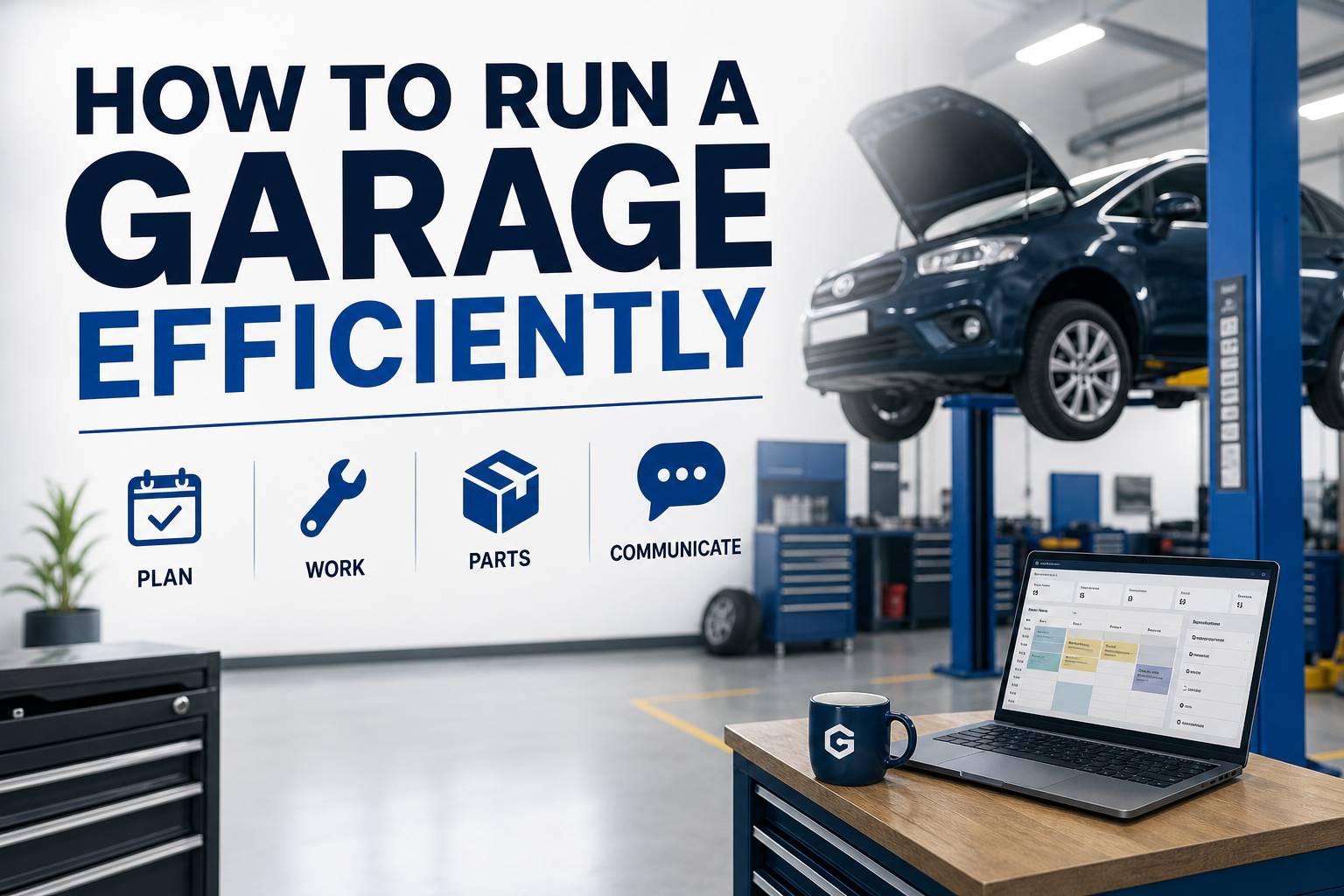
How to Run a Garage Efficiently
Efficiency in a garage is not about working faster. It is about removing the friction that slows everything down without anyone quite noticing. A job that should take three hours ends up taking four because the parts were not ordered in time. A technician stands idle for twenty minutes because the job card information was incomplete. A customer calls to chase an update and ties up the front desk for ten minutes while someone hunts for the relevant paperwork.
None of these things are catastrophic on their own. But they add up, day after day, into lost hours, frustrated customers, and margins that never quite reach where they should be. Running a garage efficiently means dealing with the root causes, not just managing the symptoms.
Start with Your Workflow
Before you can improve how your garage runs, you need a clear picture of how it actually runs today. Map out what happens from the moment a customer calls to the moment they drive away with their vehicle. Where are the handoffs? Where does information get lost? Where do technicians spend time on things that are not actual workshop work?
Most garages find the same bottlenecks: unclear job instructions, unconfirmed parts availability, slow invoicing, and fragmented customer communication. Fixing these areas has a more significant impact than any other operational change.
Control Your Workshop Diary
The booking diary is where efficiency either starts or falls apart. Overbooking creates chaos. Underbooking leaves capacity wasted. A well-managed diary accounts for realistic job durations, technician availability, and parts lead times before a booking is confirmed.
Using a digital scheduling system means you can see at a glance what is on the ramps, what is waiting, and what is due in tomorrow. It also means that when a customer calls to ask where their car is, the answer is available immediately rather than requiring a walk around the workshop.
Get Parts Right the First Time
Parts delays are one of the leading causes of workshop inefficiency. A vehicle that comes in for a repair and then has to wait for a part ties up a ramp, frustrates the customer, and disrupts the rest of the day's schedule. The solution is to confirm parts availability before the vehicle arrives wherever possible, especially for anything beyond routine servicing.
Pre-ordering parts for known bookings and having a clear system for who orders what and when eliminates most of the delay and the confusion that comes with it.
Communicate Clearly, Both Ways
Internal communication between the front desk and the workshop floor is often where accuracy breaks down. A job card that reaches a technician with missing information leads to guesswork, callbacks, and rework. Standardising how job information is recorded and communicated means less back and forth and more time spent doing actual work.
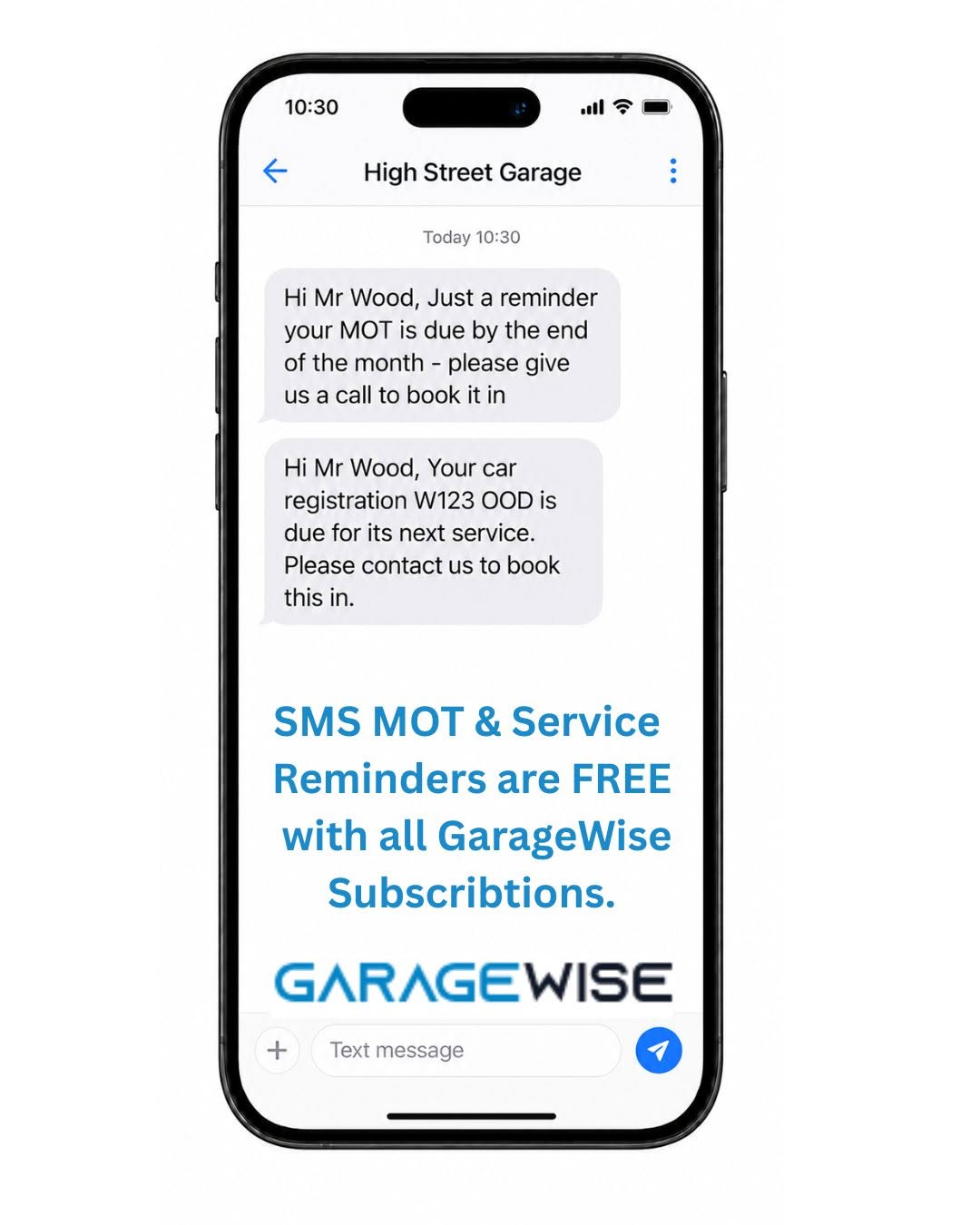
External communication with customers matters just as much. Clear status updates, realistic time estimates, and proactive calls when something changes keep customers calm and reduce the number of inbound enquiries the front desk has to handle.
Measure What Matters
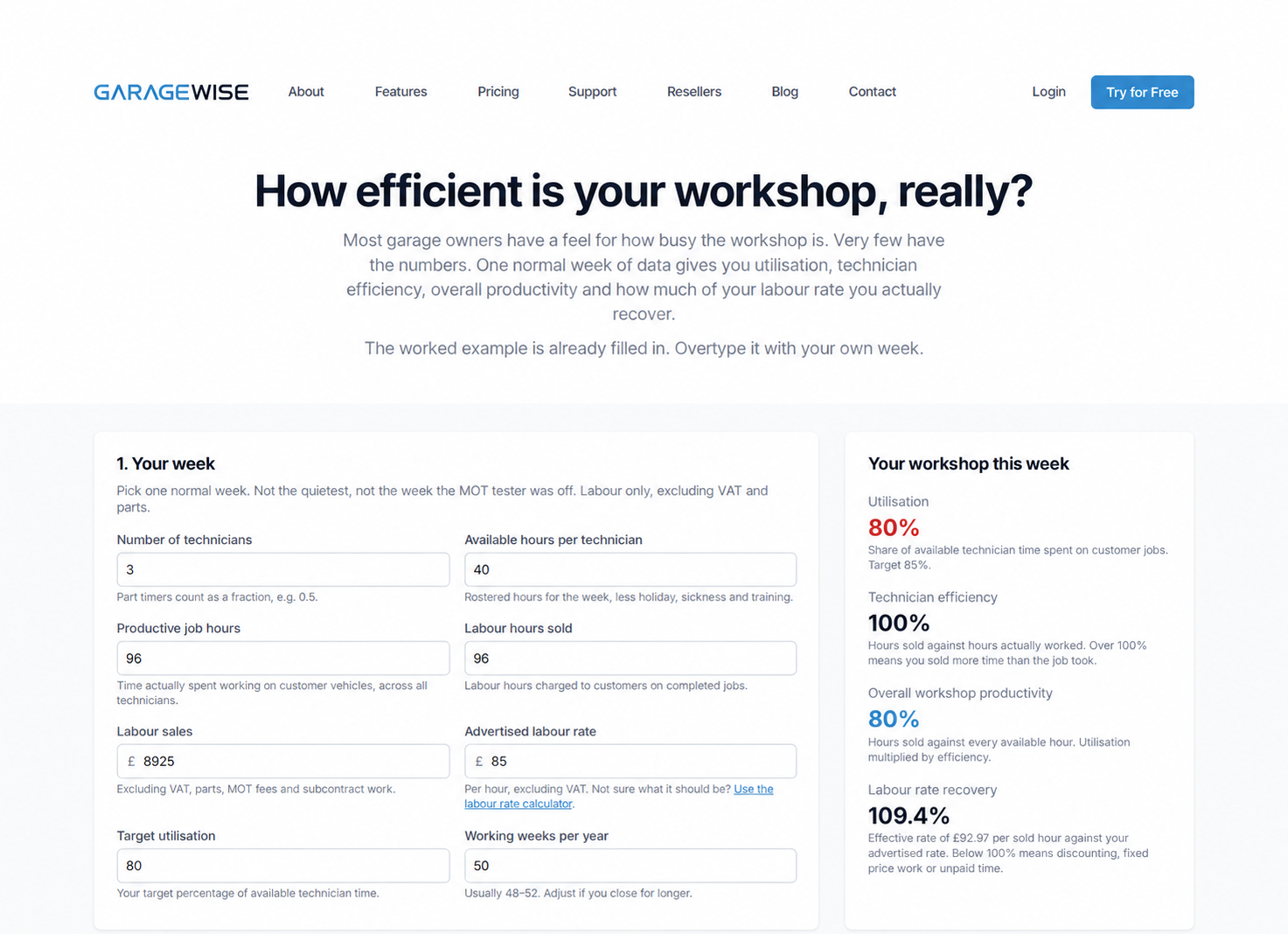
You cannot improve what you do not measure. Tracking workshop efficiency means knowing your labour utilisation rate, your average job duration versus estimate, and how often jobs run over or come back for remedial work. Most garages do not track this at all, which means they have no way of knowing whether things are getting better or worse.
How GarageWise Helps
GarageWise brings together scheduling, job management, parts tracking, and customer communication in one place, which is the foundation of running an efficient workshop. Rather than switching between tools or relying on paper, everything your team needs to manage a job from start to finish is in the same system. You can explore how it works at GarageWise.co.
If efficiency is something you want to work on seriously, try GarageWise free and see how a connected garage management system changes the pace of your day.